Göttingen Emergent Minds (GoEMMI):

Learning and Computation in Brains and Machines

Two (+ one) weeks of learning, coding, and networking

Speakers

Meet the speakers of GoEMMI 2027

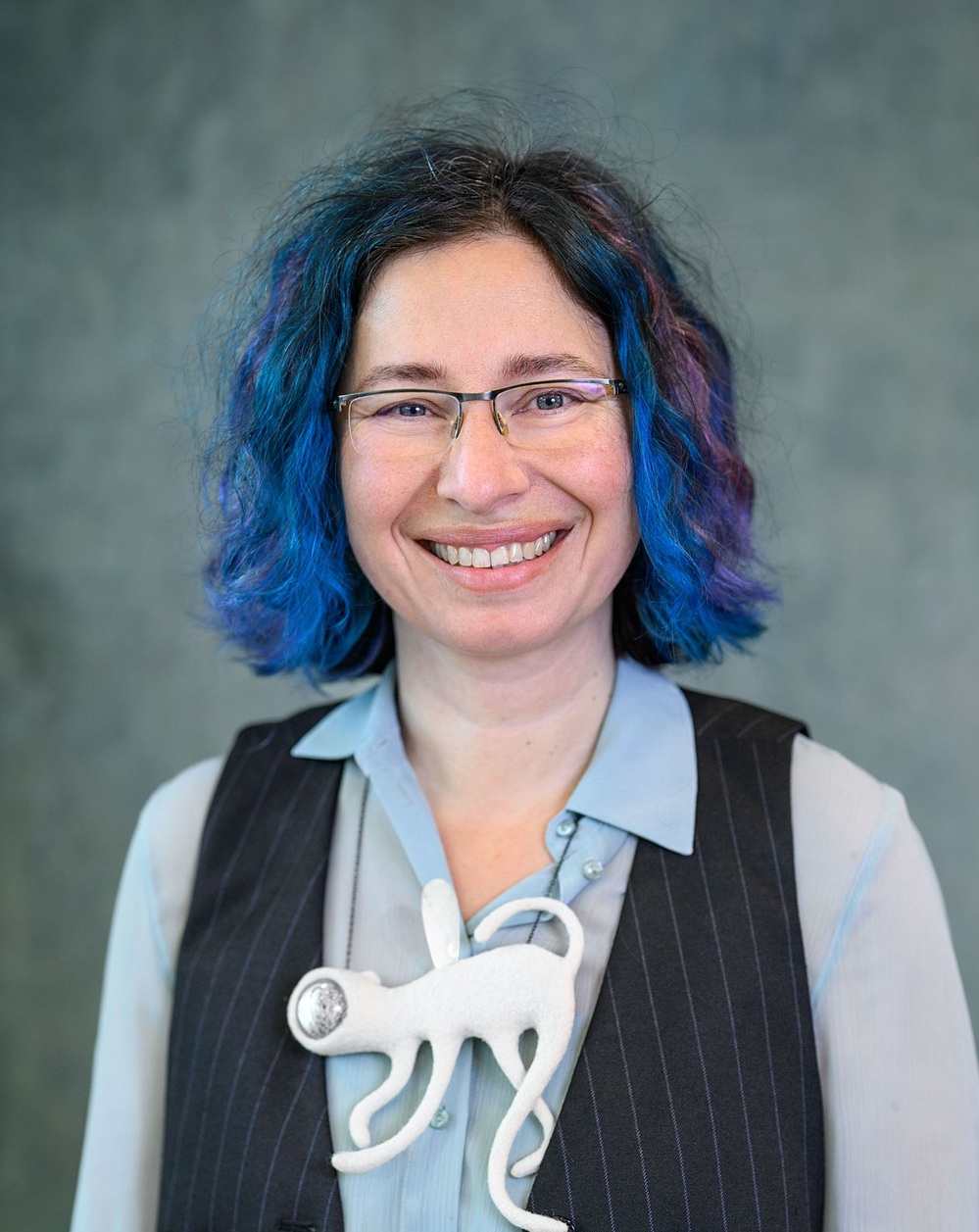
Portrait of Prof. Dr. Larissa Albantakis

Prof. Dr. Larissa Albantakis

University of Wisconsin, USA

Learning in Brains and Machines

About

Larissa Albantakis, PhD is a computational neuroscientist and Assistant Professor of Computational Psychiatry. Her research explores the relationship between causation, complexity, consciousness, and cognition, and their quantitative assessments in neural network models and neurophysiological data from healthy subjects and clinical patient populations. Dr. Albantakis’ research group is aimed at developing novel computational tools to analyze and model the origins, symptoms, and potential for interventions of mental disorders in a causal, mechanistic manner at the individual and group level.

Dr. Albantakis obtained her Diploma (MSc) in Physics from Ludwig-Maximilians University in Munich in 2007, and her PhD in Computational Neuroscience from Universitat Pompeu Fabra in Barcelona in 2011 under the supervision of Dr. Gustavo Deco. Her PhD research focussed on using large-scale, biophysically-realistic neural models and dynamical systems theory in the context of decision-making. Dr. Albantakis has been at the University of Wisconsin-Madison since 2012, where she worked together with Dr. Giulio Tononi on causal analysis and the integrated information theory (IIT) of consciousness before starting her own research group in 2022.

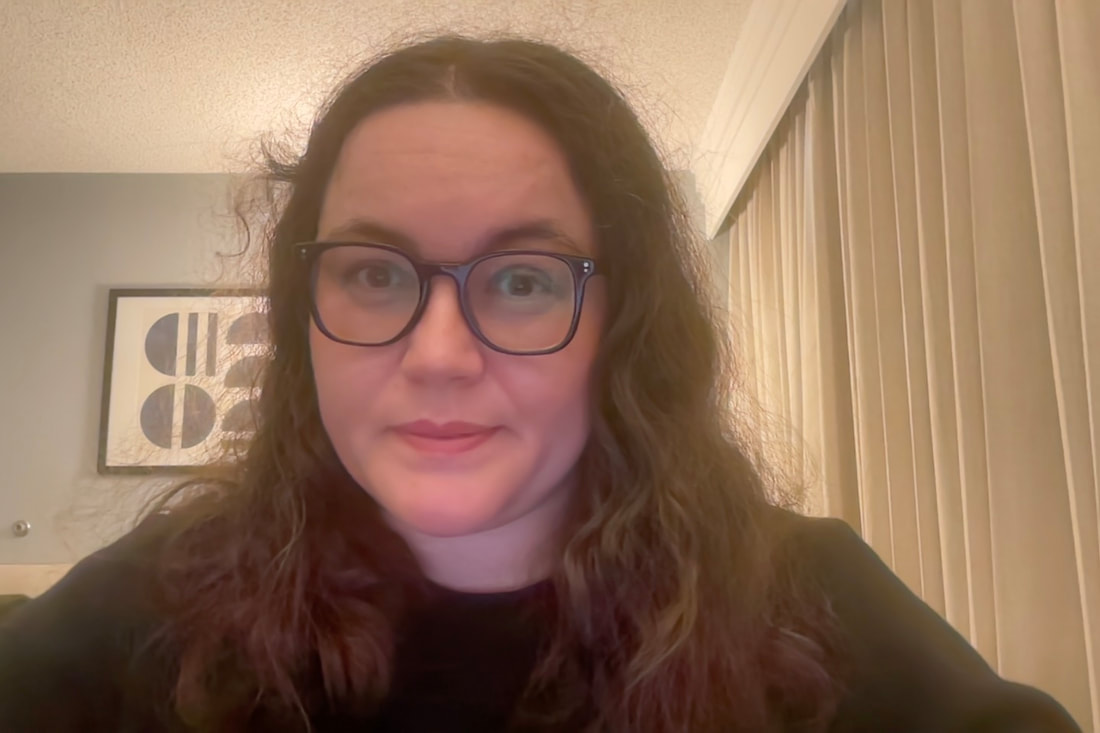
Portrait of Dr. Spyridon Chavlis

Dr. Spyridon Chavlis

Postdoctoral Researcher at the Poirazi Lab, IMBB-FORTH

TBD

About

Dr. Spyridon (Spiros) Chavlis earned his diploma in Mechanical Engineering from the National Technical University of Athens in 2011, his M.Sc. in Biomedical Engineering from Imperial College London in 2013, and his Ph.D. in Biology from the University of Crete in 2018. His doctoral research focused on developing a computational model of the hippocampal dentate gyrus to study the role of dendrites in pattern separation. Currently, he is a Postdoctoral Researcher at the Poirazi Lab, IMBB-FORTH, where he investigates the mechanisms of memory formation and learning using computational models of hippocampal subregions, integrating these with bio-inspired deep learning architectures. Additionally, he serves as a Systems Administrator in the lab, managing two high-performance computing clusters, several other servers, including GPU resources, and various online tools. In addition to his research, Spiros teaches in three postgraduate programs, covering topics such as programming, linear algebra, machine learning, dynamical systems, and computational neuroscience.

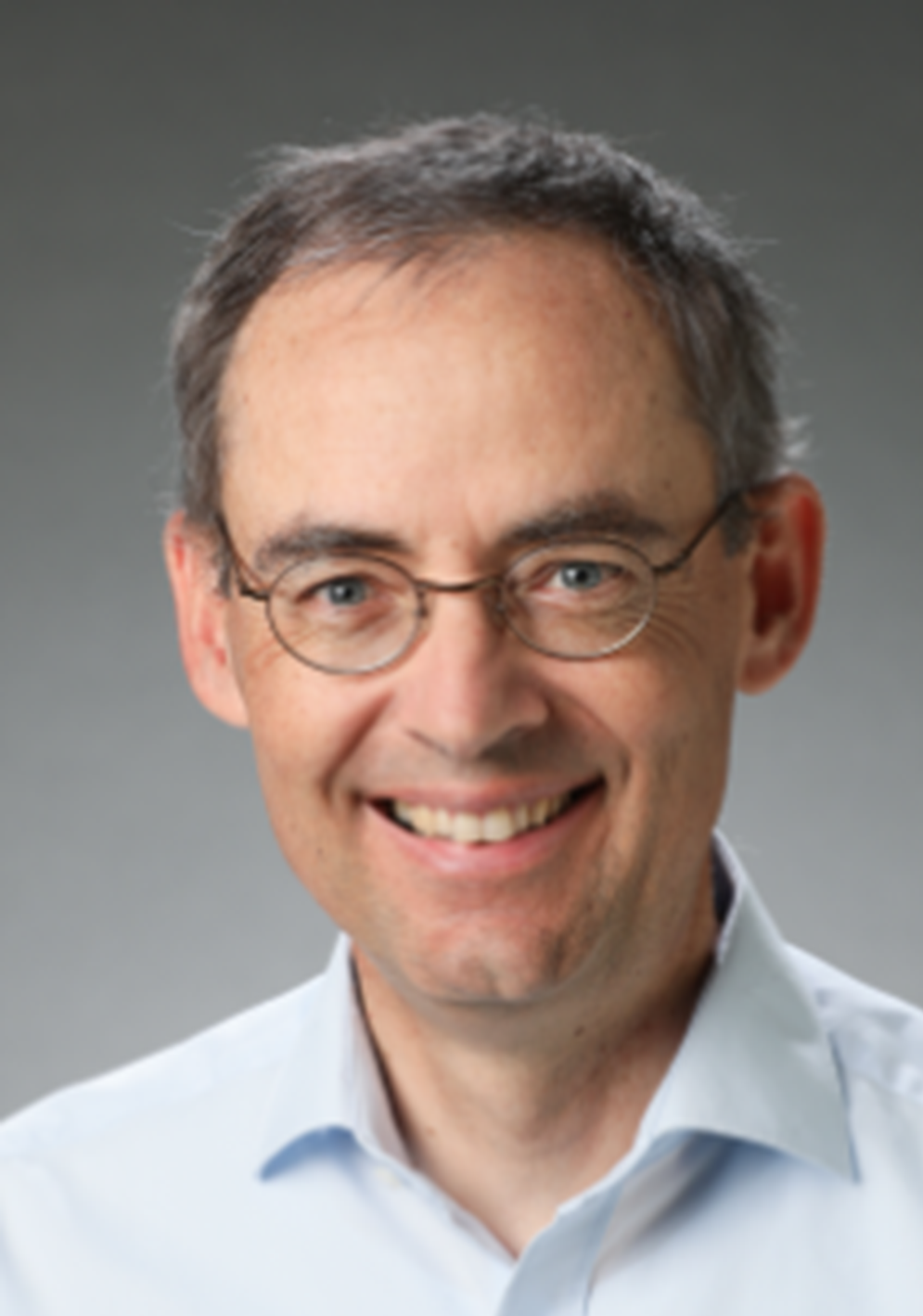
Portrait of Prof. Dr. Wulfram Gerstner

Prof. Dr. Wulfram Gerstner

EPFL, Switzerland

Computation from local interactions

About

Wulfram Gerstner is Director of the Laboratory of Computational Neuroscience LCN at the EPFL. He studied physics at the universities of Tubingen and Munich and received a PhD from the Technical University of Munich. His research in computational neuroscience concentrates on models of spiking neurons, the dynamics of spiking neural networks and spike-timing dependent plasticity. More recently, he got interested in generalizations of Hebbian learning in the form of multi-factor learning rules and in the role of surprise for learning. He currently has a joint appointment at the School of Life Sciences and the School of Computer and Communications Sciences at the EPFL. He teaches courses for Physicists, Computer Scientists, Mathematicians, and Life Scientists. He is the recipient of the Valentino Braitenberg Award for Computational Neuroscience 2018 and a member of the Academy of Sciences and Literature Mainz (Germany).

Portrait of Prof. Dr. Anna Levina

Prof. Dr. Anna Levina

Tübingen University, Germany

Learning in Brains and Machines

About

Anna Levina received her PhD in Mathematics from the University of Göttingen, Germany, in 2008. After postdoctoral positions at the Max Planck Institute for Dynamics and Self-Organization, the Bernstein Center Göttingen, and ISTA Austria, she was awarded a Sofja Kovalevskaja Award in 2017 to establish her research group in Tübingen, where she became an associate professor in 2025. Her interests lie at the intersection of computational neuroscience, complex networks, and statistical physics. She develops mathematical and computational models of neural population activity, criticality, and self-organization, combining tools from mathematics, physics, and machine learning to study excitation/inhibition balance, neuronal cultures, intrinsic timescales in the brain, and the principles of synaptic plasticity.

Portrait of Prof. Dr. Sarah Marzen

Prof. Dr. Sarah Marzen

Pitzer, Scripps, and Claremont McKenna College, USA

TBD

About

Professor Sarah Marzen graduated from Caltech with a B.S. in Physics and from U.C. Berkeley with a Ph.D. in physics, and then moved onto a Physics of Living Systems Postdoctoral Fellowship at MIT and finally a now-tenured faculty job at the Claremont Colleges. Her research focuses on the science of prediction and on information-theoretic frameworks for understanding biology. She is a Scialog Research Fellow, a National Institute for Theory and Mathematics in Biology Affiliate Member, an Associate Editor for AI & Society, and the recipient of four consecutive faculty scholarship awards from Scripps College.

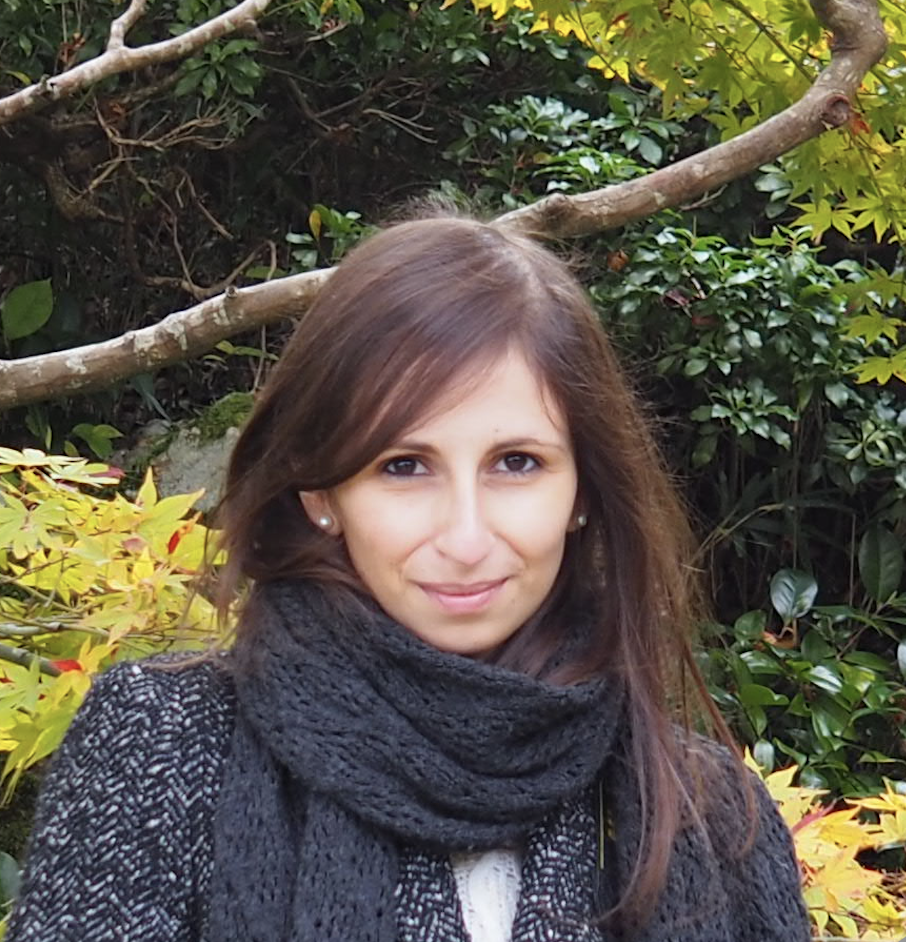
Portrait of Prof. Dr. Francesca Mastrogiuseppe

Prof. Dr. Francesca Mastrogiuseppe

SISSA, Trieste

Computation from local interactions

About

Francesca Mastrogiuseppe is an Assistant Professor at SISSA, Trieste. Her research seeks to uncover how computations emerge from coordinated activity in distributed brain circuits. To do so, she combines mathematical models with statistical analyses, conducted in collaboration with experimental laboratories. Before moving to SISSA, Francesca held postdoctoral positions at the Champalimaud Foundation, Lisbon and the Gatsby Computational Neuroscience Unit, UCL. She obtained a PhD from École Normale Supérieure, Paris.

Portrait of Prof. Dr. Fernando Rosas

Prof. Dr. Fernando Rosas

University of Sussex, UK

Theory of Emergence and Computation

About

Fernando Rosas received the B.A. degree in music composition and philosophy (Minor), the B.Sc degree in mathematics, and the M.S. and Ph.D. degree in engineering sciences from the Pontificia Universidad Católica de Chile. After that, he was as postdoctoral researcher at KU Leuven, National Taiwan University, and Imperial College London. He currently works as Assistant Professor at the University of Sussex and Research Fellow at Imperial College London and the University of Oxford.

Portrait of Prof. Dr. Gonzalo Polavieja

Prof. Dr. Gonzalo Polavieja

TBA

Computations from Local Interactions

About

TBA

Portrait of Prof. Dr. David Wolpert

Prof. Dr. David Wolpert

Santa Fe Institute, USA

Computation from local interactions

About

David Wolpert is a professor at the Santa Fe Institute, external professor at the Complexity Science Hub in Vienna, adjunct professor at ASU, and research associate at the ICTP in Trieste. He is the author of three books (and co-editor of several more), over 250 papers, has three patents, is an associate editor at over half a dozen journals, has received numerous awards, and is a fellow of the IEEE.

He has 45,000 citations, with most of his papers in thermodynamics of computation, foundations of physics, dynamics of social organizations, machine learning, game theory, and distributed optimization / control. In particular his machine learning technique of stacking was instrumental in both winning entries for the Netflix competiton, and his papers on the no free lunch theorems have over 10,000 citations. (Details at http://davidwolpert.weebly.com).

Most of his current research involves three topics:

  1. Combining recent revolutionary breakthroughs in non-equilibrium statistical physics with computer science theory to lay the foundations of a modern theory of the thermodynamics of computation.
  2. Using modern machine learning tools to investigate social systems, ranging from models of social organization (command and communication networks within social groups), to estimating Langevin dynamics of states evolving in time from time-series data, to investigating systems of AIs interacting via smart contracts, to applying computer science theory to model the dynamics of social organizations.
  3. Using computer science theory and model theory to investigate evolutionary biology, and to investigate the foundations of physics, e.g., to investigate the simulation hypothesis.

Before his current position he was the Ulam scholar at the Center for Nonlinear Studies, and before that he was at NASA Ames Research Center and a consulting professor at Stanford University, where he formed the Collective Intelligence group. He has worked at IBM and a data mining startup, and is external faculty at numerous international institutions.

His degrees in Physics are from Princeton and from the University of California.